




10 Crucial Things to Know Before Travelling to Sal Island, Cape Verde: A Local’s Survival Guide
Before travelling to Sal Island, the most critical step is completing your EASE pre-registration online at least 5 days before arrival and paying the mandatory Airport Security Tax (TSD) of approximately €30 (3,000 CVE at the street rate). While Sal operates on the Cape Verdean Escudo (CVE), Euros are accepted everywhere at a flat street exchange rate of €1 = 100 CVE.
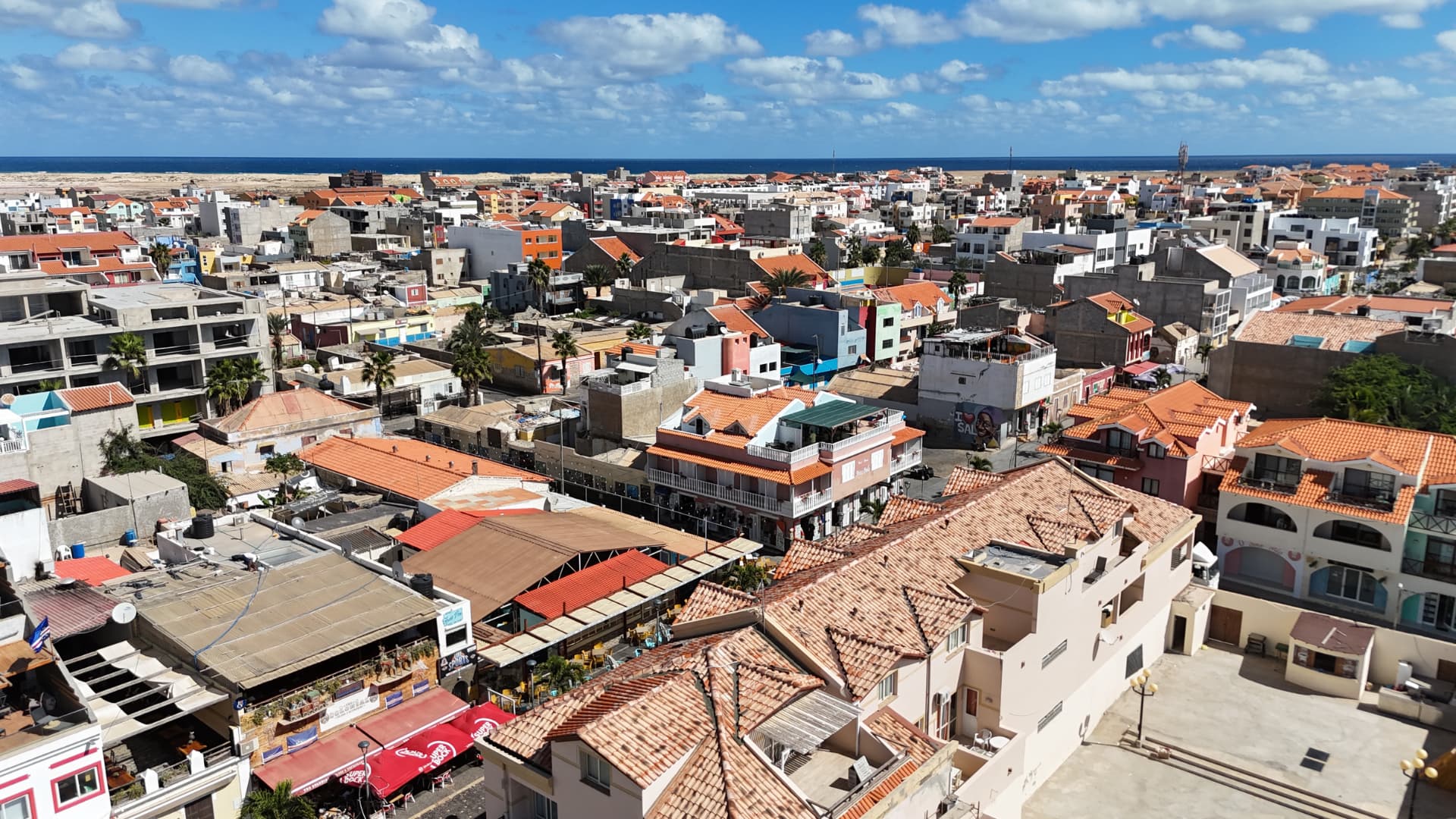
Whether you are staying at an all-inclusive resort or an apartment in downtown Santa Maria, here is everything you need to know to navigate the island like an insider.
1. The EASE Registration & Airport Security Tax (TSD)
Many first-time travellers confuse Cape Verde’s entry requirement with a traditional visa. If you hold an EU, UK, or US passport, you do not need a visa for stays under 30 days. However, you must complete the EASE pre-registration online.
The Cost: Approximately €30 (3,000 CVE at the street rate).
The Trap: Avoid unofficial third-party websites that charge up to €80 for this service. Use only the official government portal at ease.gov.cv.
Local Tip: If you did not register online, you can pay in cash (Euros or Escudos) directly at the border control desk at Amílcar Cabral International Airport (SID) — but expect a queue that can take up to 45 minutes after landing.
2. Currency Reality: The Fixed vs. Street Rate
The official currency is the Cape Verdean Escudo (CVE), which is legally pegged to the Euro at a fixed bank rate of €1 = 110.265 CVE. However, on the streets of Sal, no one uses decimals.
[Official Bank Rate] ──► €1 = 110.265 CVE (Best for card payments)
[Street Exchange]    ──► €1 = 100 CVE     (Standard in shops & taxis)
If a dinner bill in Santa Maria comes to 3,000 CVE, the restaurant will charge you exactly €30. If you pay with a €50 note, you will receive your change back in Escudos (2,000 CVE). To save roughly 10% on your total holiday budget, change Euros into Escudos at a local bank (Banco Cabo-Verdiano de Negócios — BCN) or withdraw Escudos directly from an ATM.
3. ATMs, Credit Cards, and the “Vinte e Quatro” Network
Sal Island remains a heavily cash-based economy. While large hotel chains (such as Riu or Meliá) and major diving schools accept international credit cards, smaller beach bars, souvenir stalls, and taxi drivers strictly require physical cash.
ATMs: Look for ATMs branded as 24 (Vinte e Quatro). There are several along the main street (Rua 1 de Junho) in Santa Maria.
Fees: International debit cards (Visa/Mastercard) work perfectly, but your home bank and the local network will charge a combined transaction fee of around €3 to €5 per withdrawal.
Pro Tip: Always carry smaller Euro notes (€5, €10, €20). Local vendors are reluctant to change €50 or €100 notes for minor purchases like a bottle of water.
4. Buying a Local SIM Card vs. Roaming
Using your home mobile network’s data roaming in Cape Verde can result in an expensive shock on your next bill. To stay connected, buy a local prepaid SIM card or an eSIM on arrival.
The two competing networks are Alou (formerly CV Móvel) and Unitel T+. Both have dedicated retail kiosks inside the arrivals hall at Sal Airport and official stores in downtown Santa Maria.
The Cost: A tourist data bundle with 10GB of 4G data valid for 7 days costs 1,000 CVE (€10).
Requirements: You must present your physical passport at the counter. Local authorities require passport registration for every SIM card activated on the island.
5. Can You Drink the Tap Water in Sal?
No. Do not drink tap water under any circumstances. Sal Island has zero natural freshwater springs — all running water is generated through ocean desalination plants. While it is perfectly safe for showering and brushing your teeth, drinking it will disrupt your stomach.
Bottled Water: Buy 5-litre water jugs (garrafões) at local mini-markets (lojas) throughout Santa Maria. They cost around 150 to 200 CVE (€1.50 to €2.00) and are significantly cheaper than buying small individual bottles at hotel bars.
6. Navigating the “Looky-Looky” Souvenir Sellers
As you walk down Rua 1 de Junho or toward the historic wooden pier, you will be approached by West African souvenir vendors — often referred to as “looky-looky” men. They will open with classic lines like “Remember me from your hotel?” or “No stress, just looking.”
The Reality: They are harmless, non-violent, and simply trying to sell wooden carvings, turtle figurines, or bracelets.
How to handle it: Do not ignore them or look angry. Smile, say a firm “Não, obrigado” (No, thank you), and keep walking. They will instantly respect the boundary.
7. Ocean Safety: The Flag Warning System
The beaches of Sal are breathtaking, but the Atlantic Ocean is powerful. The island is known for its strong north-easterly winds, which create large waves and hidden undercurrents — particularly between November and April.
Always check the flags flying at the lifeguard stations:
- Red Flag: High danger. Swimming is strictly prohibited.
- Yellow Flag: Caution. Strong currents. Stay close to the shore.
- Green Flag: Safe. Calm waters, ideal for swimming.
The Safe Zone: The main bay of Santa Maria Beach (near the wooden pier) is well sheltered and generally safe year-round. Areas like Kite Beach or Pontinha are strictly for professional wind sports and are dangerous for casual swimmers.
8. Electricity, Plugs, and Voltage
Cape Verde uses standard European Type C and Type F power plugs (two round pins), operating at 220V / 50Hz.
If you are travelling from the UK, Ireland, the US, or Canada, you will need a travel adapter to charge your smartphones, laptops, or camera batteries.
9. Health, Vaccinations, and Medical Emergencies
Sal Island is completely free of malaria, yellow fever, and other endemic tropical diseases. No compulsory vaccinations are required to enter Cape Verde unless you are arriving from a yellow fever risk zone.
Pharmacies: For minor health issues, sunburn, or stomach bugs, downtown Santa Maria has well-stocked pharmacies (Farmácia Central and Farmácia de Sal). Pharmacists generally speak English and Portuguese.
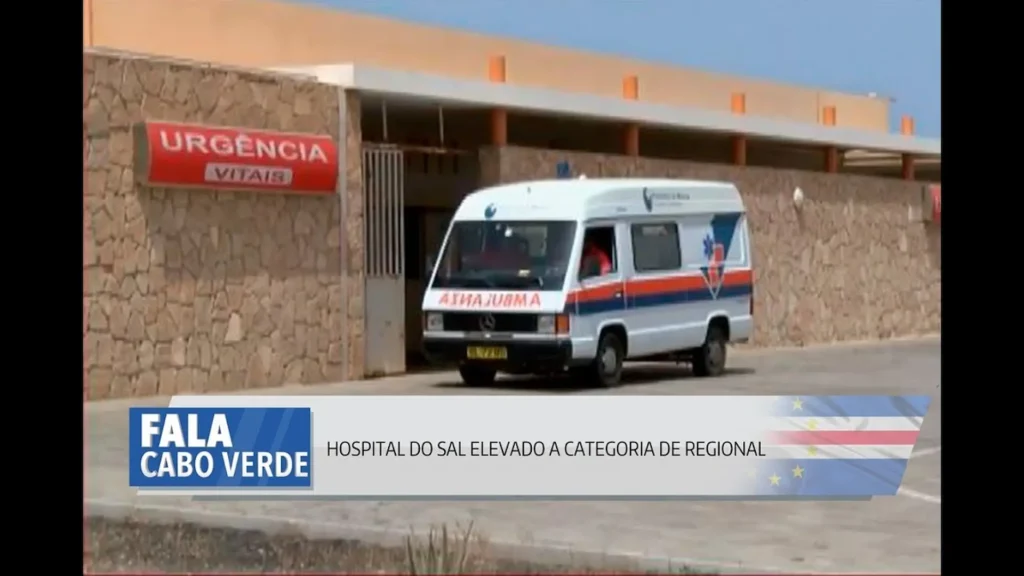
Emergencies: For serious medical conditions, there is a private clinic (Clínica Climed) in Santa Maria and a public hospital in the capital city of Espargos. Comprehensive travel insurance with emergency repatriation cover is strongly recommended.
10. Understanding “Morabeza” and “No Stress” Time
The local motto “No Stress” is not just a marketing slogan — it is the fundamental rhythm of life in Cape Verde. Combined with Morabeza — the Creole word for extreme hospitality, kindness, and a welcoming spirit — island life moves slowly.
Service in local restaurants can easily take 45 to 60 minutes from ordering to your plate arriving. Rushing, snapping your fingers, or showing visible frustration will not speed things up. Take a deep breath, order a local Strela beer or a Caipirinha, and adapt to the island’s pace.