





Is Sal Island, Cape Verde Safe? Local Safety, Scams & Health Advice
Is Sal Island Cape Verde Safe? Sal Island is widely recognized as one of the safest and most peaceful travel destinations in Africa. The island’s low crime rate is anchored in a welcoming community and the cultural philosophy of “No Stress”. However, as tourism in Santa Maria grows, opportunistic petty crimes, aggressive street selling, and environmental hazards do exist.
Whether you are planning a solo female trip, a family holiday with toddlers, or a romantic escape, here is the raw, practical truth about safety and health on Sal Island — directly from local destination experts.
1. Petty Crime, Pickpocketing & Hotspots in Santa Maria
Violent crime against tourists on Sal Island is exceptionally rare. The primary issue is opportunistic, non-violent theft — such as phone-snatching or pickpocketing — which usually spikes during peak holiday seasons.
The True Hotspots:
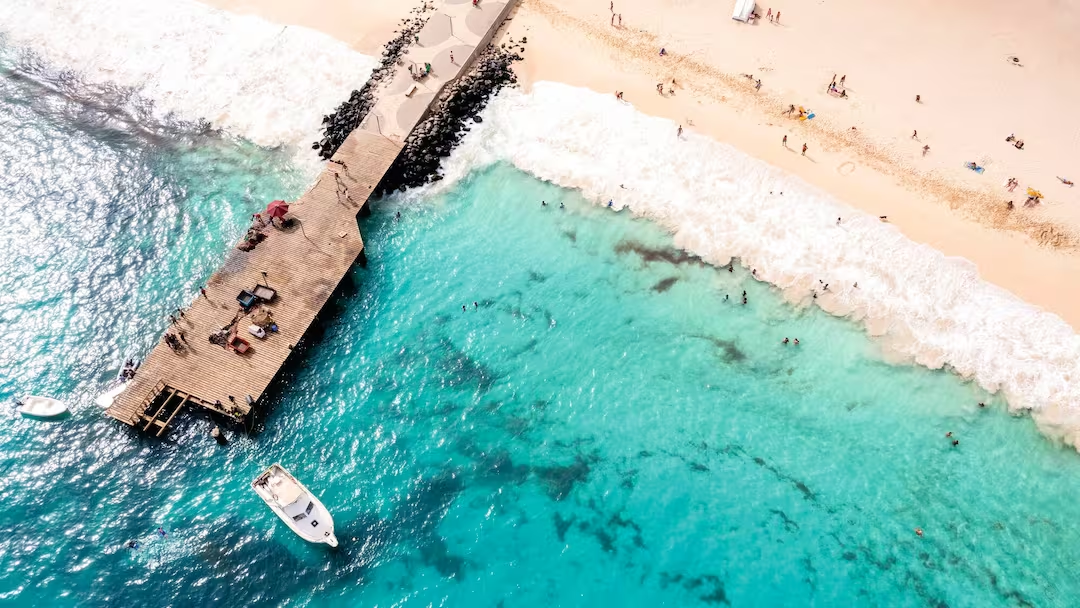
Santa Maria Pier (O Pontão): Between 10:00 AM and 1:00 PM, the pier is packed with tourists looking at fish. Pickpockets use the crowded, shoulder-to-shoulder environment to slip hands into loose pockets or unzipped backpacks.
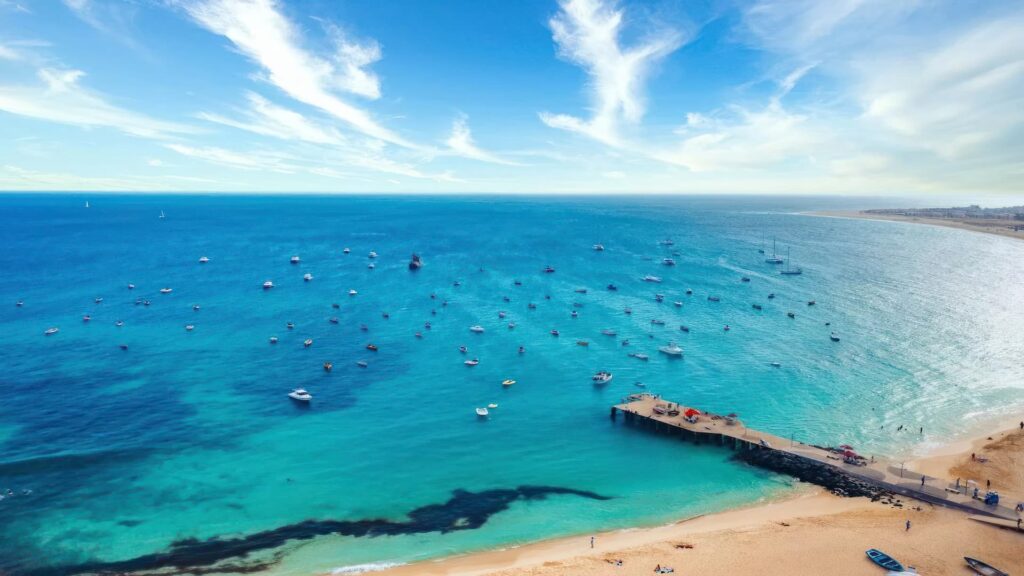
The Main Beach Promenades: Leaving your smartphone, wallet, or expensive DSLR camera unattended on your sun lounger or towel while you swim is an open invitation for local opportunists.
Unlit Beach Areas at Night: Walking along dark, isolated coastal paths toward the western sand dunes or eastern salt flats after 11:00 PM is highly discouraged.
- Main Streets (Rua 1 de Junho, Central Square): Very Safe. Active dining and police presence.
- Coastal Promenades: Safe if walking in pairs or groups back to resorts.
- Isolated Sand Dunes / Dark Beach Tracks: Avoid completely after midnight.
Local Protection Tip: Use your hotel room or apartment safe for your physical passport, secondary cash, and credit cards. When exploring Santa Maria, you only need your phone, a copy of your ID, and enough cash for your meals.
2. Street Vendors & Scams: De-escalating the Pressure
The most common complaint from tourists on Sal is not crime, but the persistent selling tactics used by some souvenir and excursion vendors along Rua 1 de Junho and around the central square.
The “Hotel Connection” Trap: A vendor will approach you warmly, saying: “Hey! Remember me? I’m the chef/waiter from your resort!” or “I saw you checking in at the Riu/Melia yesterday!” This is a psychological trick designed to lower your guard. They do not work at your hotel — they want to lead you into their souvenir shop to sell you wooden sculptures or braided bracelets.
How to Handle It Smoothly: Do not look angry, do not ignore them rudely, and do not get into a long debate. The local community respects polite confidence. Look them in the eye, smile, say a firm “Não, obrigado” (if you are male) or “Não, obrigada” (if you are female), and keep walking at your regular pace. They will immediately move on to the next person.
3. Environmental Hazards: The Atlantic Ocean
Statistically, the biggest safety hazard on Sal Island isn’t the people — it is the Atlantic Ocean. Many tourists underestimate the sheer power of the shore-break waves and hidden rip currents.
The Flag Protocol: Main tourist beaches feature active lifeguard towers. If you see a Red Flag, swimming is strictly prohibited. The undertow can drag an adult off their feet in knee-deep water.
The Sharp Volcanic Reefs: Areas like the rocky shores of Buracona or Shark Bay feature razor-sharp volcanic basalt reefs. Walking into these zones barefoot or in flimsy flip-flops poses a serious risk of cuts and infection. Always wear thick rubber reef shoes.
4. Health, Pharmacy & Medical Infrastructure
There are no endemic tropical diseases on Sal Island. You do not need to take malaria pills, and you do not require a Yellow Fever vaccination certificate unless you are arriving directly from an infected region.
The Water Rule: Never drink desalinated tap water. It can be used for brushing your teeth (taking care not to swallow) and washing clothes, but always use sealed bottled water for drinking and cooking to avoid common traveler’s stomach upsets.
Medical Facilities on the Island:
- Insurance: Always travel to Cape Verde with comprehensive medical travel insurance that includes emergency repatriation. Private clinic visits can quickly amount to hundreds of Euros if you require specialized diagnostic scans or overnight care.
- Minor Ailments: For sunburns, minor cuts, or stomach bugs, downtown Santa Maria has reliable pharmacies (Farmácia Central, near the municipal market). Staff speak English, Portuguese, and French, and can prescribe standard medications over the counter.
- Private Emergency Care: For sudden medical issues, Clínica Climed in Santa Maria offers modern private medical care with English-speaking doctors, working directly with international travel insurance providers.
- Public Hospital: For critical emergencies or major procedures, the public hospital is located in Espargos, the capital city, approximately 15 minutes away by car.
5. Solo Female Travel on Sal Island
Sal Island is an exceptionally welcoming environment for solo female travelers. Cape Verdean culture is deeply respectful, maternal, and matriarchal.
What to Expect: You may experience catcalling or friendly flirting from local men on the street or near beach bars. It is almost always harmless and non-aggressive. If it becomes annoying, a firm, neutral expression and walking toward a well-lit public restaurant or shop is enough to stop the interaction.
Quick Rules for Solo Security:
- Always use official registered green-and-yellow taxis when returning to your accommodation late at night.
- Do not accept open, unbottled drinks from strangers in nightclubs.
- Keep a digital copy of your passport saved on your smartphone.
Summary: The Common Sense Checklist
To ensure your holiday stays completely “No Stress,” check off these basic rules:
- Store passports, excess cash, and credit cards in the room safe.
- Never leave valuables unattended on your beach towel while swimming.
- Stick to the main, lit streets of Santa Maria after midnight.
- Check the maritime safety flags before entering the ocean.
- Drink only bottled water from trusted mini-markets.
Have a Local Emergency or Logistical Question?
Our team lives, works, and runs operations right here in Santa Maria. If you are currently on the island and need urgent advice on transport, local contacts, or trusted medical clinics, send a message to our local support desk.